
Cookware
The right cookware makes everyday cooking easier, faster, and more enjoyable. From nonstick pans to stainless-steel sets, this guide helps you choose pieces that truly earn a place on your stove.
Buying guides, comparisons, and long-term-tested recommendations help you build a cookware collection that suits your kitchen, your recipes, and your budget.
Professional Cookware Buying Guide: 11 Powerful Tips for Choosing the Best Set
Home & Kitchen · Guide Professional Cookware Buying Guide: 11 Powerful Tips for Choosing the Best Set Choosing…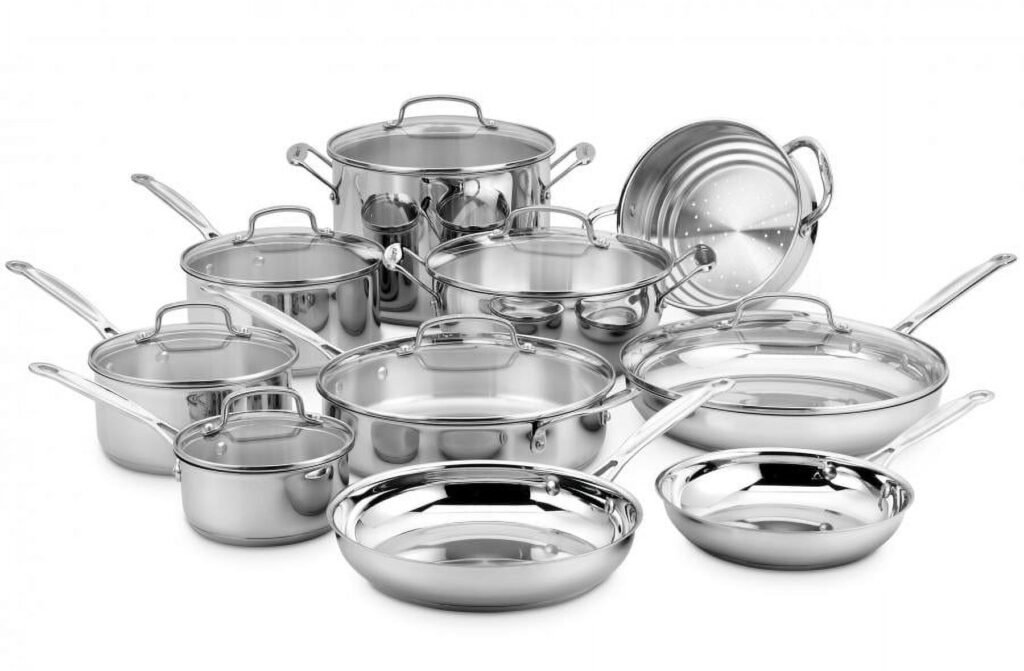
Best Cookware Comparison
Home & Kitchen · Comparison Best Cookware Comparison: 15 Powerful Insights to Choose the Right Cookware Set Choosing…How to choose cookware
Great cookware should heat evenly, feel balanced in your hand, and be easy to live with every day. The right pieces depend on how you cook, what you cook, and the stove you use.
Instead of large sets filled with rarely used items, focus on a few versatile pans and pots that perform well and last for years.
- Material: Stainless steel for durability, nonstick for easy cleanup, cast iron for searing and heat retention.
- Heat distribution: Thick bases or multi-layer construction help prevent hot spots.
- Stove compatibility: Confirm suitability for gas, electric, ceramic, and induction.
- Oven safety: Check maximum oven temperatures for handles, lids, and coatings.
- Set vs. single pieces: Start with essentials and add pieces as your cooking needs grow.
Cookware by type of cooking
Different cooking styles benefit from different materials and pan shapes. These guides help match the right cookware to how you actually cook at home.
When is it time to upgrade your cookware?
Old, warped, or heavily scratched pans can ruin recipes and make cooking frustrating. Replacing a few key pieces often improves results more than adding new gadgets.
Start with the pans you use most—typically a main frying pan, an everyday saucepan, and a larger pot for soups or pasta.
- Nonstick coating is peeling, flaking, or badly scratched.
- Pans wobble on the stove or have uneven bottoms.
- Food sticks or burns despite reasonable heat.
- Handles feel loose, unsafe, or uncomfortably hot.
- Your stove type has changed and some pans no longer perform well.
Cookware – common questions
Clear answers to common questions about choosing and upgrading cookware.
Is nonstick cookware safe?
Modern nonstick pans from reputable brands are generally safe when used at moderate heat and kept in good condition.
How many cookware pieces do I really need?
Most home cooks can handle everyday meals with a frying pan, a saucepan, and a larger pot.
What cookware works best on induction stoves?
Stainless steel and cast iron with a magnetic base work best. A simple magnet test usually gives a clear answer.
How long should good cookware last?
Stainless steel and cast iron can last for decades, while nonstick pans typically need replacement every few years.