Android Phones
Android phones range from simple everyday models to powerful flagships with the best cameras, displays and AI features on the market. This hub explains the Android ecosystem and helps you choose a phone based on performance, price and real-world use.
You’ll find an overview of how Android phones are different, what the main brands focus on, when it makes sense to upgrade and answers to common questions.
Best Budget Android Phones in UAE (2025 Comparison)
Android Phones · Comparison Best Budget Android Phones in UAE (2025 Comparison) – Nomazone In this in-depth comparison,…Best budget Android phones
Best Budget Android Phones Guide for UAE Shoppers – Nomazone This Best Budget Android Phones Guide is written…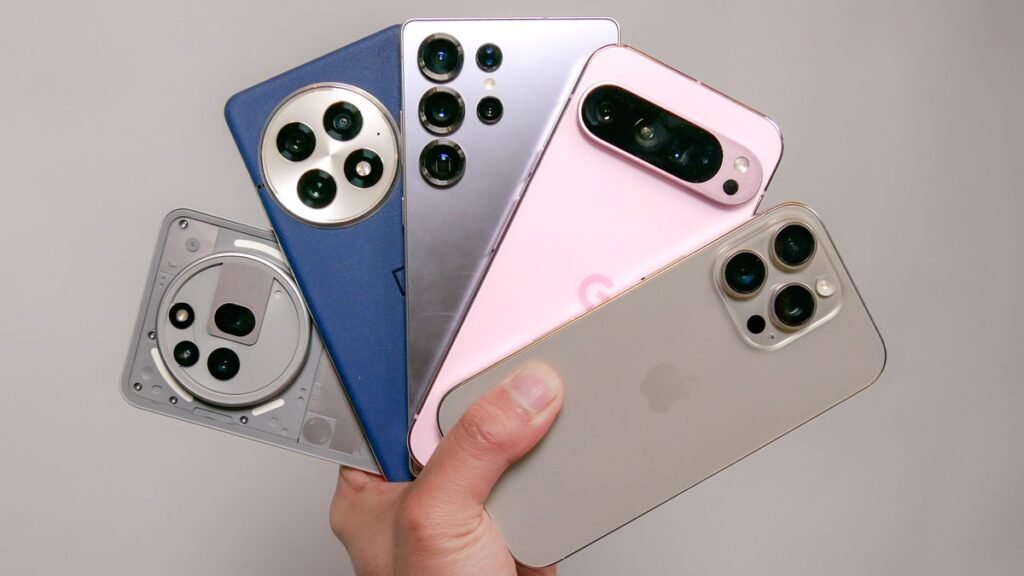
Best Android Phones 2025
Best Android Phones 2025 – Ultimate Guide & Buying Options Best Android Phones 2025 – Ultimate Guide &…How to choose the right Android phone
Android offers more choice than any other mobile platform. Phones differ in size, performance, camera quality, battery life and software interface. The best way to choose is to think about how you actually use your phone every day and pick a device that matches that routine.
For many people, a balanced mid-range model gives the best value. Heavy users, mobile gamers and photography fans may benefit from upper-mid or flagship phones with better screens, more powerful chips and stronger cameras.
- Display: AMOLED and 90–120 Hz screens feel smoother and more vibrant when scrolling and gaming.
- Camera: night mode, stabilisation and sensor size matter more than raw megapixel numbers.
- Battery: look for a phone that comfortably lasts a full day with your usual apps and 5G turned on.
- Charging: fast-charging speeds vary a lot; some models reach around 50% in 15–30 minutes.
- Updates: devices with clear software support policies stay safer and feel modern for more years.
The main Android brands and what they focus on
Each Android manufacturer has its own style and software approach. Understanding these differences makes it easier to decide which brands fit your taste before you compare individual models.
- Samsung: polished cameras, long software support, stable performance and strong resale value.
- Google Pixel: excellent AI features and photography, very clean software and smooth animations.
- OnePlus: fast performance, lightweight interface and competitive pricing, especially in mid-range and upper-mid phones.
- Xiaomi / Redmi: strong value at lower prices, big batteries and plenty of features for the money.
- Oppo / Realme: stylish designs, very fast charging and a mix of budget and mid-range options.
Budget, mid-range, camera-focused and gaming-focused Android phones often come from several of these brands, so it’s worth thinking first about which interface and update policy you prefer.
When is it time to upgrade your Android phone?
Android phones do not need to be replaced every year, but there are clear signs that a newer device will make everyday use smoother and more secure. Paying attention to these signals helps you upgrade at the right moment instead of too early or too late.
- The battery no longer lasts a full day, even after you limit background apps.
- Apps open slowly, freeze or crash more often than before.
- Your phone has stopped receiving security updates or major Android versions.
- Photos and videos look noisy or blurry, especially in low light.
- Storage is constantly full, even after moving files and uninstalling apps.
A common upgrade path is to move from an older budget phone to a modern mid-range model, or from a first-generation 5G device to a newer, more efficient phone with better cameras and battery life.
Android phones – common questions
These answers cover the questions many people have before choosing an Android phone. As devices change over time, the details may change, but the principles stay similar.
Is a budget Android phone enough for everyday use?
For calls, messaging, social media, light browsing and casual photos, a recent budget Android phone can be more than enough. The main compromises are camera quality in difficult lighting and how long the manufacturer offers updates.
Which Android brand usually gives the longest updates?
Some major brands now promise several years of Android version upgrades and security patches on selected models. Checking the update policy for a phone before buying is one of the easiest ways to make sure it will stay secure for longer.
Do more megapixels always mean a better camera?
Not necessarily. Sensor size, image processing and stabilisation often have more impact on real photos than megapixel count alone. A well-tuned 50 MP camera can easily beat a poorly optimised 108 MP camera.
How much storage do I need on an Android phone?
128 GB is usually comfortable for everyday use with photos, messaging apps and a few games. People who record a lot of 4K video or install many large games may prefer 256 GB or more so they are not forced to delete files regularly.