iPhones
Apple’s iPhone lineup runs from simple, reliable models to Pro phones with some of the best cameras and performance you can buy. This page is your starting point if you know you want an iPhone but you’re not sure which model or generation fits you best.
Below you’ll find an overview of how the iPhone family is organised, how to choose the right model, when to upgrade, and where accessories will appear once your live price feeds are connected.
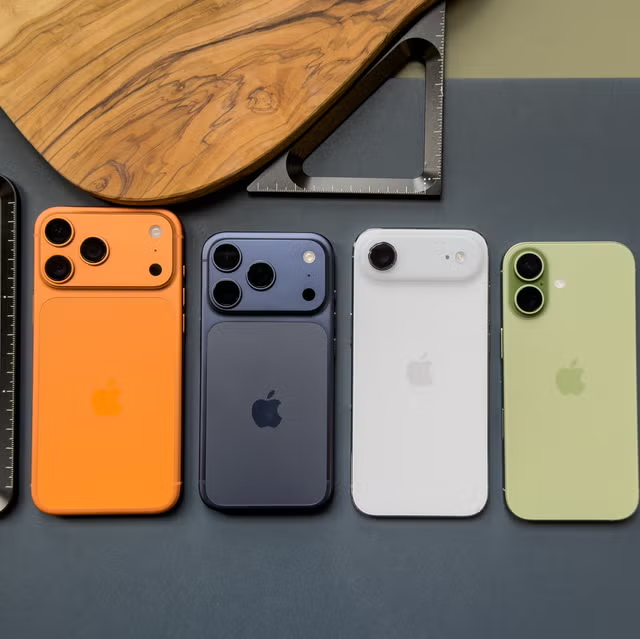
Best iPhone Comparison 2025
Best iPhone Comparison 2025: 15 Powerful Insights to Choose the Perfect iPhone Apple’s iPhone lineup in 2025 runs…How to choose the right iPhone
All modern iPhones share the same iOS system, App Store and basic experience: Face ID or Touch ID, iMessage, FaceTime, iCloud backup and tight integration with other Apple devices. The main differences are in screen size, camera system, battery life and how long each model is likely to receive updates.
A simple way to choose is to start from your budget, then decide how important camera quality, display smoothness and storage are for you. You don’t need the most expensive model to get a fast, smooth iPhone.
- Screen size: smaller iPhones are easier to use one-handed, larger ones are better for video, gaming and typing.
- Display features: newer “Pro” models often have brighter screens and ProMotion (up to 120 Hz) for smoother scrolling.
- Cameras: Pro models add extra lenses and better low-light performance; the standard models are still very strong for everyday photos.
- Battery life: bigger phones usually last longer; very old models can feel weak if the battery health is low.
- Storage: 128 GB is fine for most people; go 256 GB or more if you shoot lots of 4K video or keep big apps offline.
How the iPhone lineup is organised
Apple usually keeps several generations on sale at the same time: a more affordable entry model, the current standard iPhone, and one or two Pro models. Older generations stay in the system for years because many people prefer a lower price over the newest design.
On Nomazone, your articles in the iPhones category can group these models by tier so visitors understand the differences without needing to follow Apple’s launch events.
- Entry / SE tier: compact models with classic design or lower price, ideal for first-time iPhone users or people who just need a reliable phone.
- Standard tier: the “main” iPhone of each generation – a good balance of price, camera and performance for most users.
- Plus / Max size: larger screen and battery for people who watch a lot of video, read and game on their phone.
- Pro tier: extra camera features, better displays and materials – the choice for heavy camera use, advanced video work or long-term owners.
As new generations arrive (for example, 16 or 17 series in the future), this structure stays the same: one affordable entry option, one main model and one Pro level.
When is it time to upgrade your iPhone?
Many people keep their iPhone for four to six years. iOS updates and security patches usually continue for a long period, so there’s no need to rush. Still, there are clear moments when an upgrade makes sense.
In your dedicated comparison and deal posts you can use these patterns to recommend specific models, but on this hub we keep things simple and timeless.
- From older models: if you’re on a much older device with a small screen, weak battery or missing iOS features, moving to a newer generation is a big quality-of-life upgrade.
- Camera jump: upgrading from a single-camera iPhone to a model with ultra-wide and telephoto lenses gives more flexibility for travel and family photos.
- Storage pressure: if you are constantly deleting photos and apps, upgrading to a higher-storage iPhone is more comfortable than living with alerts every week.
- Battery and performance: random slowdowns, frequent charging and unsupported apps are strong signs to move to a more recent generation.
Cases, chargers and other iPhone accessories
Once your affiliate approvals and product feeds are live, this section can show real-time prices and bundles for must-have iPhone accessories: cases, screen protectors, MagSafe chargers, power adapters, cables and earphones.
For now, you can keep this section as a static overview explaining what matters: certified chargers, safe power adapters and durable cases that don’t block MagSafe. Later, you’ll drop your Content Egg shortcodes into this area instead of rewriting the whole page.
- MagSafe and wireless chargers.
- Fast USB-C or Lightning cables (depending on generation).
- Protective and slim cases for different usage styles.
- Screen protectors and camera lens protectors.
- Earphones and headphones that work well with iPhone.
iPhones – common questions
This FAQ is designed to answer the basic questions visitors ask before they dive into your detailed guides and comparisons. You can expand or adjust these answers over time and link directly to your own articles.
Is an older iPhone still worth buying?
Yes, as long as it still receives iOS updates and the battery is in reasonable condition. Older iPhones can be excellent value if you don’t need the latest camera features or screen technology.
How much storage do I need?
For most people 128 GB is enough, especially if you use iCloud Photos or other cloud services. Go for 256 GB or more if you shoot a lot of video, download many games or prefer to keep everything offline.
Should I choose a standard or Pro iPhone?
Standard models are ideal for everyday users who want a strong camera and smooth performance without paying for every advanced feature. Pro models are better for heavy photographers, video creators and people who keep their phone for many years.
How long will my iPhone get updates?
Apple typically supports each iPhone generation with iOS and security updates for several years. Choosing a newer generation usually means a longer support window and more future-proof apps.