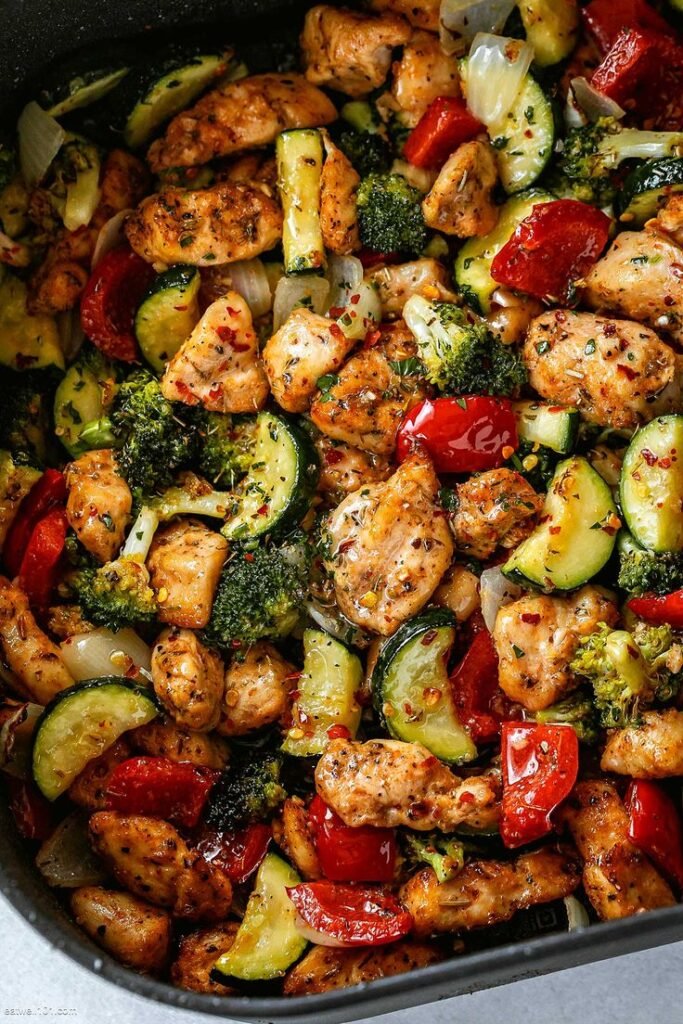
Professional Cookware Buying Guide: 11 Powerful Tips for Choosing the Best Set
Choosing the right cookware is one of the most important investments you can make for your kitchen. This professional cookware buying guide walks you through everything that matters – from materials and heat performance to durability, safety, and long-term care – so you can build a set of pots and pans that truly matches the way you cook.
Whether you cook daily for your family or meal-prep on weekends, the right combination of stainless steel, cast iron, nonstick and other materials can completely change your cooking results and your confidence in the kitchen.
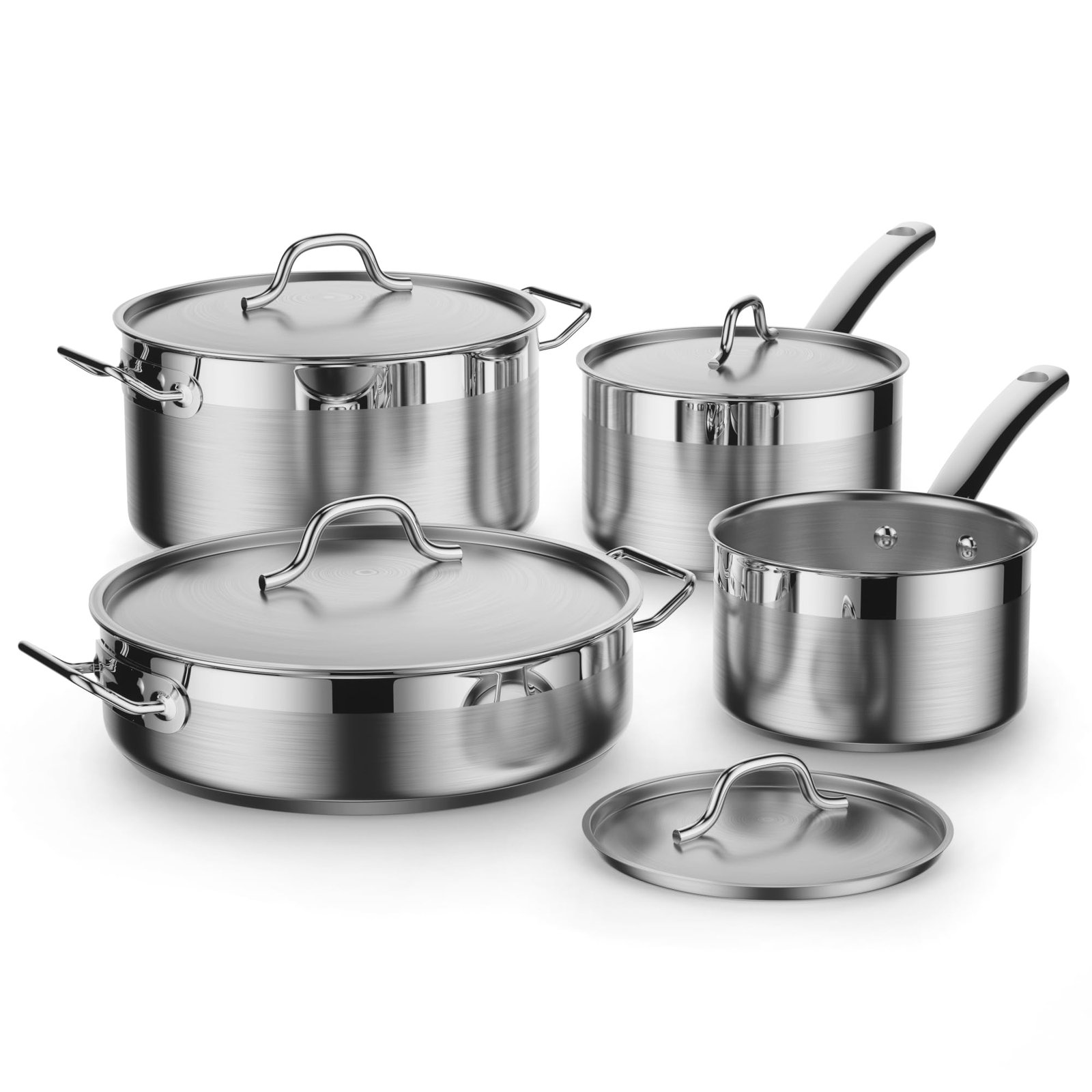
Cookware Buying Guide – Quick Overview
Use this quick outline to find the section you care about most.
- Why choosing the right cookware matters
- Types of cookware every kitchen needs
- Cookware materials explained
- 11 powerful tips for choosing the best set
- How to choose a cookware set
- Heat conductivity & performance
- Handle types & lid quality
- Compatibility with cooktops
- Durability & maintenance
- Safety factors to consider
- Cleaning & care tips
- Price guide by budget level
- Cookware FAQs
Why Choosing the Right Cookware Matters
High-quality cookware doesn’t just make cooking easier; it directly improves the taste and texture of your food. Good pans heat evenly, respond quickly when you adjust the flame, and release food without sticking or burning. If you’ve ever burned a sauce in one pan but not in another, you’ve already seen how big the difference can be.
A well-chosen cookware collection can:
- Reduce cooking time by heating efficiently and evenly.
- Improve browning and searing for meats and vegetables.
- Enhance flavor development by controlling heat more precisely.
- Help prevent burning, hot spots, and undercooked centres.
- Support healthier cooking with less oil and fewer sticking issues.
The right pan can become your most trusted kitchen tool – used every single day and still performing beautifully years from now.
Types of Cookware Every Kitchen Needs
You don’t need 20 pieces to cook well. Most home cooks can cover 90% of recipes with a handful of essential pans. Here are the main types and what they’re best for.
Fry Pans & Skillets
These are your everyday heroes – ideal for frying eggs, searing chicken, caramelising onions or browning vegetables.
- Common sizes: 20 cm (8"), 26 cm (10"), 30 cm (12").
- Best for: quick sautés, stir-fries, cutlets, and one-pan meals.
- Material picks: stainless steel for general use, nonstick for delicate foods.
Sauté Pans
Sauté pans have straight, taller sides and a larger flat base. They’re perfect when you need frying space but also want to hold sauces or liquids inside the pan.
- Ideal for dishes that start with searing then move into simmering or deglazing.
- Excellent for creamy sauces, curries, and shallow frying.
- The lid helps lock in moisture for gentle cooking.
Stockpots & Sauce Pots
Stockpots are tall and spacious; sauce pots are smaller but more versatile for daily use.
- Stockpots: perfect for soups, stews, broths, and cooking pasta.
- Sauce pots: great for sauces, rice, grains, and reheating leftovers.
- Look for comfortable handles and a tight-fitting lid.
Dutch Ovens
Dutch ovens are heavy, usually made of cast iron, and excellent for slow cooking. Enameled versions are popular for home kitchens.
- Ideal for braising meats, slow-cooked stews, and hearty soups.
- Can move from stovetop to oven for long, gentle cooking.
- Also amazing for baking rustic bread.
Cookware Materials Explained
The material of a pan changes how fast it heats, how evenly it cooks, and how it behaves over time. Here’s a clear breakdown of the most common cookware materials and what they do best.
Stainless Steel Cookware
Stainless steel is the workhorse material recommended by most professionals. It’s durable, non-reactive with acidic foods, and usually oven-safe. Multi-clad stainless steel with an aluminum or copper core inside the base spreads heat much more evenly than thin, single-layer pans.
- Pros: tough, resists rust and staining, safe with metal utensils.
- Cons: food can stick if the pan is not properly heated or if very high heat is used.
- Best for: searing, sautéing, boiling, making sauces, and everyday cooking.
Cast Iron Cookware
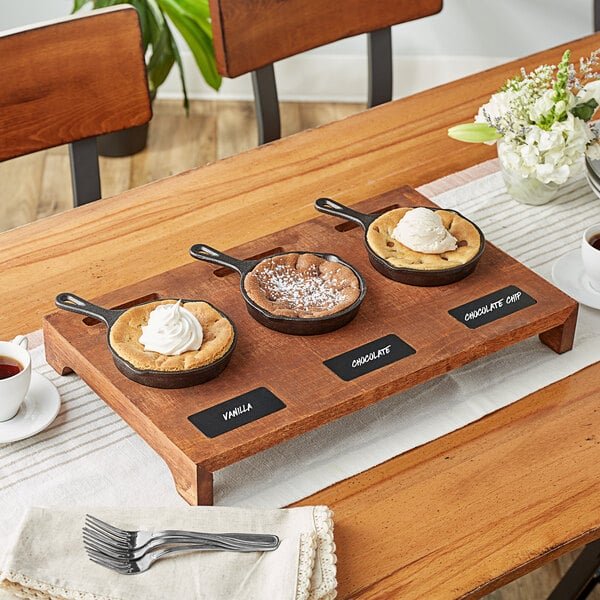
Cast iron heats slowly but holds heat exceptionally well. Once hot, it delivers intense, even heat that’s perfect for browning and deep frying.
- Pros: unbeatable heat retention, naturally nonstick when well seasoned.
- Cons: heavy, needs seasoning, not ideal for quick temperature changes.
- Best for: steaks, cornbread, pan pizzas, deep frying, and rustic dishes.
Carbon Steel Pans
Carbon steel is a favourite in professional kitchens. It behaves like a lighter, faster version of cast iron: it heats quickly and can also be seasoned to become naturally nonstick over time.
- Pros: lighter than cast iron, great for high-heat searing and wok-style cooking.
- Cons: requires seasoning and careful drying to prevent rust.
- Best for: stir-fries, searing proteins, and fast, high-heat cooking.
Nonstick Cookware
Nonstick pans are unbeatable for certain tasks, especially when cooking with minimal oil. They’re ideal for delicate foods that easily tear or stick.
- Pros: extremely easy release, simple to clean, great for low-fat cooking.
- Cons: coatings wear over time; not suitable for very high heat or metal utensils.
- Best for: eggs, pancakes, fish fillets, and quick weekday breakfasts.
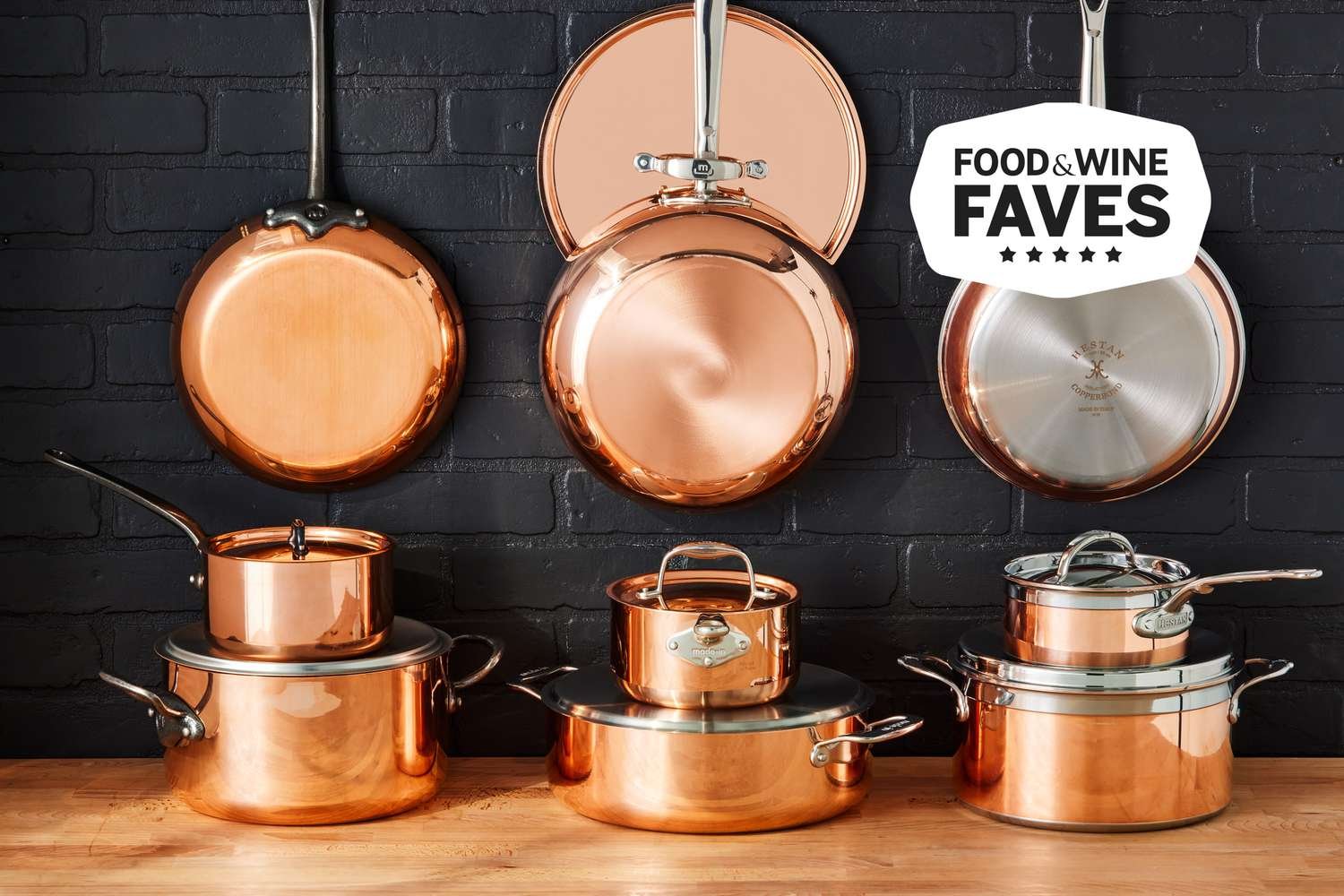
Copper Cookware
Copper is the most responsive cookware material. It heats up and cools down very quickly, giving professional chefs precise control over sauces and delicate recipes.
- Pros: top-tier heat responsiveness and beautiful presentation.
- Cons: usually more expensive; needs polishing; often lined with stainless steel for safety.
- Best for: sauces, sugar work, and recipes where exact temperature control is important.
11 Powerful Tips for Choosing the Best Cookware Set
- Start with how you cook, not with how the set looks. Think about the meals you cook most often – daily stir-fries, weekend roasts, soups, or pasta – and choose pieces that match those habits.
- Mix materials for better results. Most professional kitchens combine stainless steel, cast iron, and nonstick instead of relying on a single material for everything.
- Check the base thickness. A heavier, multi-layer base usually means more even heat and fewer hot spots, especially on gas and electric stoves.
- Hold the pan in your hand. If possible, test the weight and balance. It should feel solid but not so heavy that it’s hard to lift when full.
- Look for comfortable, secure handles. Riveted or well-attached handles with a good grip are safer and more durable.
- Make sure at least some pieces are oven-safe. This allows you to start a dish on the stove and finish it in the oven without changing pans.
- Check compatibility with your cooktop. If you have an induction stove, confirm that the base is magnetic and fully flat.
- Read the care instructions before buying. Some materials need seasoning or gentle cleaning – make sure you’re willing to do that long-term.
- Avoid very large “bonus” sets if you’re short on storage. It’s better to own a few excellent pieces you use every week than many thin or rarely used items.
- Be cautious with ultra-cheap nonstick sets. Lower-quality coatings wear faster; instead, consider one or two reliable nonstick pans and keep the rest stainless or cast iron.
- Invest gradually if needed. You don’t have to buy everything at once – start with a skillet, a pot, and one nonstick pan, then add pieces as your skills and needs grow.
Choosing the Right Cookware Set
When you look at full cookware sets, it’s easy to be distracted by high piece counts. A “15-piece” set might sound impressive, but often includes lids counted as pieces or tiny pans you rarely use.
Focus on these factors instead:
- Essential pieces: 1–2 skillets, 1 sauté pan, 1 medium sauce pot, 1 larger pot or Dutch oven.
- Your cooktop: make sure the base is flat, stable and compatible with gas, electric or induction.
- Material mix: a set of stainless steel plus a separate cast-iron skillet and a nonstick pan covers most needs.
- Storage space: nested sets with stackable lids work best for smaller kitchens.
- Warranty and brand reputation: a good warranty is a strong sign of confidence in the product.
Many professionals recommend building a “capsule cookware wardrobe”: buy a solid stainless-steel core set, then layer in one cast-iron piece and one nonstick pan for delicate cooking.
Heat Conductivity & Performance
Heat conductivity describes how quickly and evenly a pan distributes heat from the burner across its surface. Better conductivity means fewer hot spots and more predictable cooking results.
Approximate ranking from most responsive to slowest:
- Copper (very responsive, heats and cools fast)
- Aluminum and aluminum-core stainless steel
- Carbon steel
- Cast iron
- Single-layer stainless steel
For most home cooks, multi-clad stainless steel with an aluminum core offers the best balance of responsiveness, durability, and value.
Handle Types & Lid Quality
Handles and lids sound like small details, but they affect both comfort and safety every time you cook.
- Riveted handles: very secure and durable; rivets inside the pan require a bit more cleaning.
- Rivetless / welded handles: easier to wipe clean inside; quality of the weld is important.
- Ergonomics: a good handle should feel stable with one hand, without twisting or digging into your palm.
- Stay-cool designs: some stainless handles stay cooler on the stovetop, but always use a mitt in the oven.
- Stainless lids: extremely durable and fully oven-safe.
- Glass lids: useful for monitoring food without lifting the lid, but check their oven-safe temperature limit.
Compatibility with Cooktops
Before buying, make sure your cookware works well on your current stove and any future upgrade you’re planning.
- Gas: most materials work well; heavier bases improve stability and evenness.
- Electric: flat, smooth bases are important for good contact and consistent heat.
- Induction: requires a magnetic base; stainless steel and cast iron usually work, while pure copper or aluminum may need a special layer.
- Oven use: check the maximum oven-safe temperature for pans and lids if you like to finish dishes in the oven.
Durability & Maintenance Needs
Different materials age in different ways. Choosing cookware you can realistically maintain is the secret to keeping it performing like new.
- Stainless steel: low maintenance, can handle scrubbing and high heat; occasional polishing removes discoloration.
- Cast iron: needs regular seasoning and thorough drying; rewards you with decades of performance.
- Carbon steel: similar to cast iron but lighter; benefits from oiling after each use.
- Nonstick: requires gentle cleaning and soft utensils; replace when the coating wears.
- Copper: needs polishing if you want to keep the bright finish; lined interior still cooks well even if the outside darkens.
Safety Factors to Consider
Modern cookware is designed to be safe when used correctly, but it’s still important to understand a few basics:
- Choose PFOA-free nonstick coatings from reputable brands.
- Avoid overheating empty nonstick pans; use medium to medium-high heat instead of full maximum.
- Use wooden, silicone, or plastic utensils on nonstick surfaces to protect the coating.
- Check that handles and knobs are heat resistant and securely attached.
- Confirm the oven-safe temperature of both the pan and the lid.
- Only use cookware as recommended by the manufacturer to maintain warranty coverage and safety.
Cleaning & Care Tips for Long-Lasting Cookware
A few simple habits can dramatically extend the life of your pans and keep them looking and performing like new:
- Avoid drastic temperature shocks – don’t plunge a hot pan straight into cold water.
- Preheat pans gradually instead of blasting maximum heat from the start.
- For stainless steel, deglaze with a splash of water, broth, or wine to release browned bits and make cleaning easier.
- Never use abrasive scouring pads on nonstick coatings.
- Season cast iron and carbon steel regularly with a thin layer of oil and gentle heat.
- Use pan protectors or soft cloths between stacked pans to prevent scratching.
For more in-depth cookware science and safety guidance, reputable culinary resources and cooking science sites are helpful references.
Price Guide: What to Expect at Different Budget Levels
Exact prices change between stores and regions, but this simple guide shows what you can usually expect at each investment level.
Entry Level
Good for beginners and first kitchens.
- Basic nonstick sets and simple stainless-steel pieces.
- Best for light, everyday cooking and small households.
- Consider upgrading key pieces over time as you cook more.
Mid-Range
Strong balance of quality and value.
- More robust stainless-steel sets, some multi-clad options.
- Better-quality nonstick, plus carbon steel or cast iron pieces.
- Ideal for keen home cooks who cook most days of the week.
Professional / Premium
For serious home cooks and professionals.
- High-end multi-clad stainless steel and premium cast iron.
- Some copper pieces for sauces and precision cooking.
- Designed to last for many years with proper care.
Professional Cookware – Frequently Asked Questions
Quick answers to the most common cookware questions from home cooks and beginners.
1. What cookware material is best for everyday use?
For most kitchens, stainless steel is the best everyday choice. It’s durable, non-reactive, oven-safe, and suitable for searing, sautéing, boiling, and making sauces. Add one cast-iron skillet and one nonstick pan for maximum flexibility.
2. Are nonstick pans safe?
Modern nonstick pans from reputable brands are safe when used correctly. Choose PFOA-free coatings, cook on low to medium heat, avoid overheating empty pans, and use wooden or silicone utensils to protect the surface.
3. What pans do professional chefs use?
Many chefs rely on a combination of carbon steel, cast iron, and heavy stainless steel. These materials handle high heat, develop great browning, and can move from stovetop to oven.
4. Which cookware lasts the longest?
With proper care, cast iron and stainless steel can last for decades and even be passed down between generations. Nonstick coatings typically need replacing more often.
5. Does expensive cookware really make a difference?
Higher-quality cookware often offers better heat distribution, more consistent results, and improved durability. However, you don’t need the most expensive brand to cook well – a thoughtfully chosen mid-range set can perform beautifully.
6. What should beginners buy first?
A smart starter setup is: one stainless-steel skillet, one nonstick pan, and one medium-sized pot. From there, add a Dutch oven or cast-iron pan when you begin exploring slow cooking and baking.